
The NBA did not grow into a global league on highlights alone. It grew through rivalries. Heated matchups gave meaning to seasons, turned regular games into events, and pushed players and teams to define who they were. In essence, these NBA rivalries shaped how the game was played, watched, and remembered.
Boston Celtics vs. Los Angeles Lakers
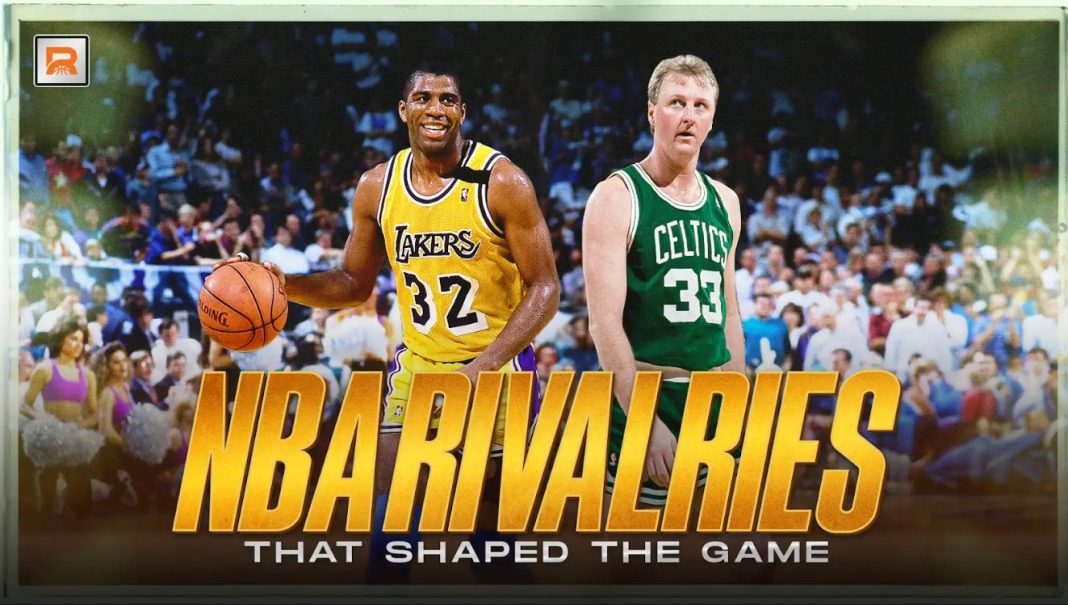
This rivalry built the NBA’s foundation. It was not just East versus West; it was tradition versus glamour. Bill Russell’s Celtics represented discipline, defense, and championships built on teamwork. The Lakers answered with flair, stars, and spectacle. The rivalry peaked again in the 1980s with Magic Johnson and Larry Bird, two players who saved the league at a time when interest was fading. Their battles turned the NBA into must-watch television and set the standard for superstar-driven eras.
Chicago Bulls vs. Detroit Pistons
This rivalry defined toughness. The Pistons’ Bad Boys era was built on physical defense and intimidation. Michael Jordan’s Bulls were skill-driven but kept getting stopped. Those playoff losses forced Jordan and Chicago to evolve. They got stronger, tougher, and more disciplined. When the Bulls finally broke through, it marked the start of a dynasty. The league also began moving away from overly physical play, changing rules to protect skill and scoring.
New York Knicks vs. Miami Heat
This rivalry brought intensity to the 1990s. Games were physical, emotional, and often ugly. Fights, suspensions, and close playoff series made every matchup feel personal. It highlighted how rivalry can exist without superstars dominating headlines. These battles also contributed to the league reassessing physical play and officiating standards.
Los Angeles Lakers vs. San Antonio Spurs
This rivalry was quieter but just as important. The Lakers represented stars and flash. The Spurs represented systems, discipline, and consistency. Tim Duncan versus Kobe Bryant was less dramatic but deeply competitive. Their battles showed two valid ways to win championships: star power and structure. The Spurs’ success influenced how teams valued coaching, player development, and long-term planning.
Los Angeles Lakers vs. Boston Celtics (Modern Era)
The rivalry returned in the late 2000s with Kobe Bryant and the Celtics’ Big Three of Kevin Garnett, Paul Pierce, and Ray Allen. Their Finals matchups reminded fans why the rivalry mattered. It was legacy versus legacy. Championships were no longer just titles; they were arguments in history debates. This era reinforced how much storytelling and history matter in the NBA.
Golden State Warriors vs. Cleveland Cavaliers
This rivalry defined the modern NBA. LeBron James versus Stephen Curry became the face of the league. Four straight Finals matchups turned individual performances into cultural moments. The Warriors’ pace, spacing, and three-point shooting changed how basketball was played at every level. Cleveland’s 2016 comeback from a 3-1 deficit led by the combined brilliance of LeBron James and Kyrie Irving became one of the most iconic moments in sports history. This rivalry accelerated the NBA’s shift toward offense, shooting, and positionless play.
Why the NBA Is Built on Rivalries
Rivalries are what turn basketball into history. They give meaning to championships and pressure to every playoff run. A great player is remembered not just for winning, but for who they had to beat to get there. Rivalries create tension, identity, and moments that live far beyond the final score.
They force teams to adapt, players to evolve, and the league itself to change. Rules shift, styles change, and new eras begin because two sides keep pushing each other further. Fans stay invested because rivalries feel personal. You pick a side. You remember the heartbreak and the revenge. All these are true for NBA rivalries. They elevated the world’s premier basketball league and made it compelling.
Without rivalries, the NBA would still be entertaining. With them, it becomes unforgettable.