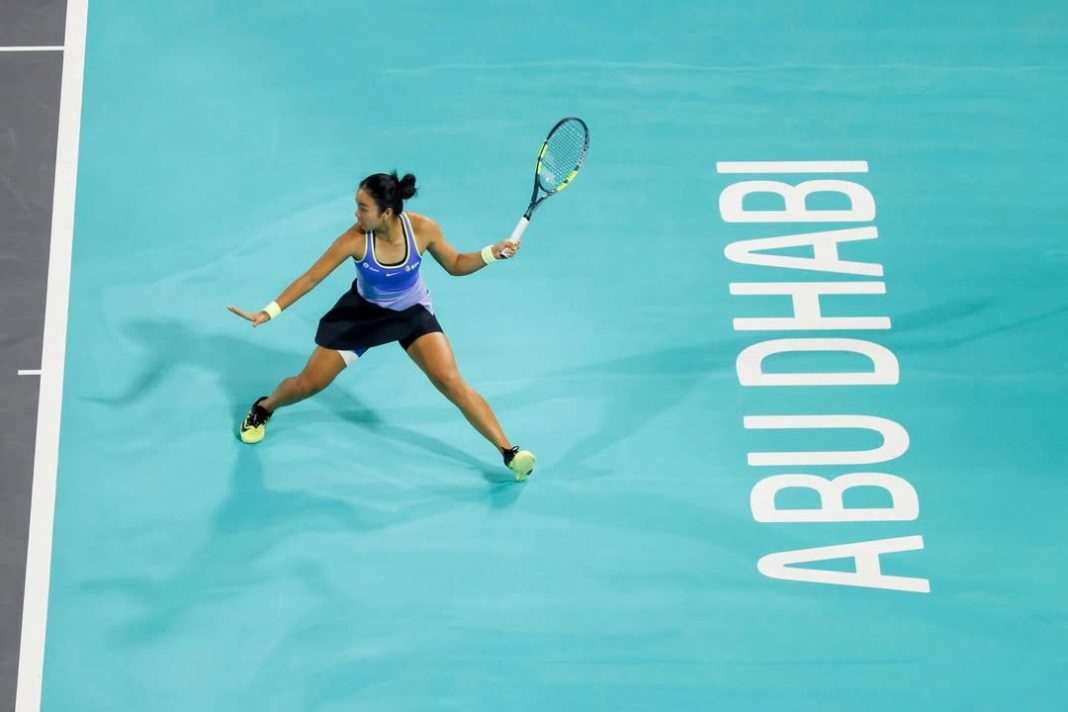


When Alex Eala competes in the main draw of the WTA 1000 Qatar Open 2026, she will have played in every WTA tier—125, 250, 500, and 1000—in just the first 50 days of this year.
But what exactly do these numbers stand for? What do WTA 125, 250, 500, and 1000 mean?
WTA Tiers Explained
Put simply, these numbers—125, 250, 500, and 1000—represent the WTA’s competition tiers. These tiers, in turn, help define where players earn ranking points, how much prize money is on offer, and the level of competition they face as they build or sustain their careers. Understanding these differences is key for fans tracking rankings and player development.
At its core, the Women’s Tennis Association (WTA) structures tournaments into multiple tiers that correspond with ranking points and tournament prestige: WTA 125, 250, 500, and 1000. So, the higher the tier, the more points a player earns for advancing, and the stronger the field typically is.
125: Development and Opportunity
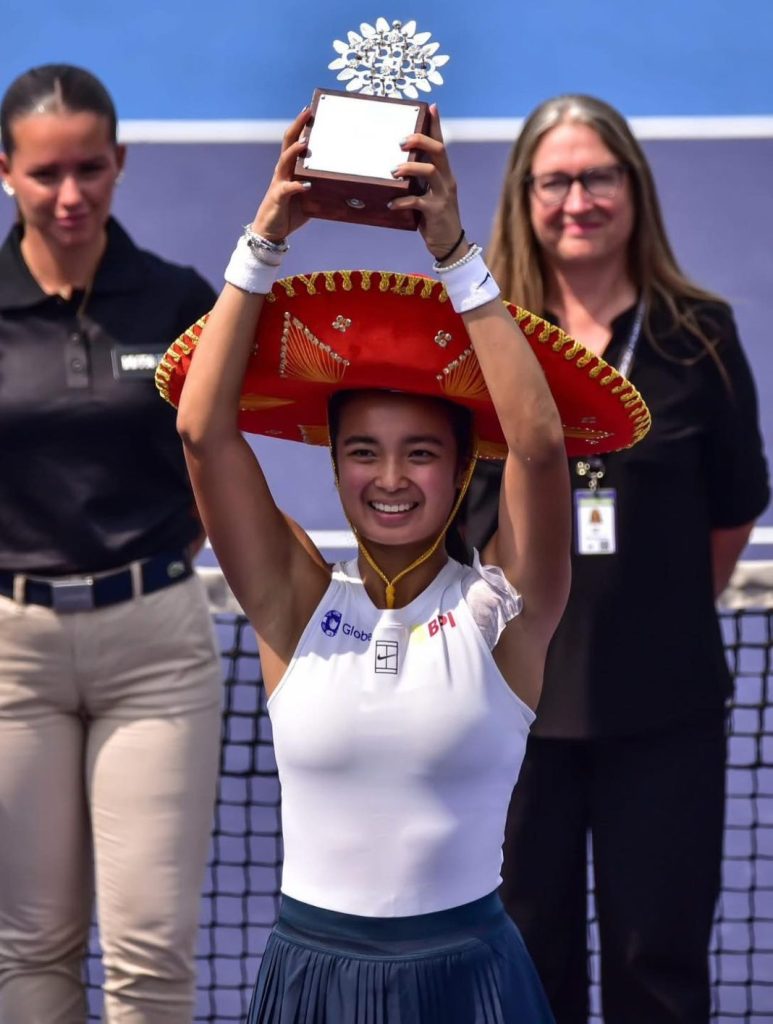
WTA 125 events represent the entry-level tier of the main Tour. These tournaments award 125 ranking points to the singles champion, with descending points for finalists and semifinalists. They are often compared to challenger-level events and serve as stepping stones for rising stars or players returning from injury. In fact, the circuit has expanded rapidly, with more than 50 tournaments scheduled, offering valuable competition and points for players outside the top echelons of the rankings.
Because these events are smaller and attract a mix of emerging talents and experienced players rebuilding form, they play an important role in career progression, helping competitors improve their rankings to qualify for higher-tier tournaments. It is at this tier where the Philippines’ very own Alex Eala won her first and so far only WTA title: the Guadalajara Open.
250: Building Blocks on the Tour
A step up, WTA 250 tournaments award 250 ranking points to the winner and draw slightly higher-ranked players. These events typically feature a mix of established tour players and up-and-comers looking to gain momentum or break into the top 50 or top 30. Prize money and field size are modest compared with higher tiers, but they are vital for players to secure ranking points and gain experience in main-draw competition.
Many players use WTA 250 events as launching pads toward bigger results. These tournaments also often occur in weeks without a 1000 or 500 event, giving players more chances to compete and collect points. Eala’s highest finish at a WTA 250 event is reaching the singles final of the 2025 Lexus Eastbourne Open in England. She became the first Filipino ever to reach a final at that level, although she ultimately lost in three sets to Maya Joint.
500: Mid-Tier Prestige
WTA 500 tournaments sit in the middle of the tour’s hierarchy. Winners earn 500 ranking points, and the field generally includes several Top 20 players. With stronger competition and higher prize money than WTA 250 events, they are considered significant tests of a player’s consistency and ability to perform against quality opposition.
Examples of these top-tier events include long-standing tournaments like the Queen’s Club Championships—where leading players often compete on grass ahead of Wimbledon. Prize money for these events can exceed $1 million, underscoring their importance on the calendar. Eala competed in a WTA 500 just this week—the Mubadala Abu Dhabi Open—and reached the quarterfinals. This is her highest finish in a WTA 500 event.
1000: Elite Regular-Season Tests
At the top of the tour structure outside the Grand Slams are the WTA 1000 tournaments. These events award 1,000 ranking points to the champion, placing them just behind majors in terms of importance. These tournaments also attract the deepest fields on tour, with most of the Top 10 players committing regularly.
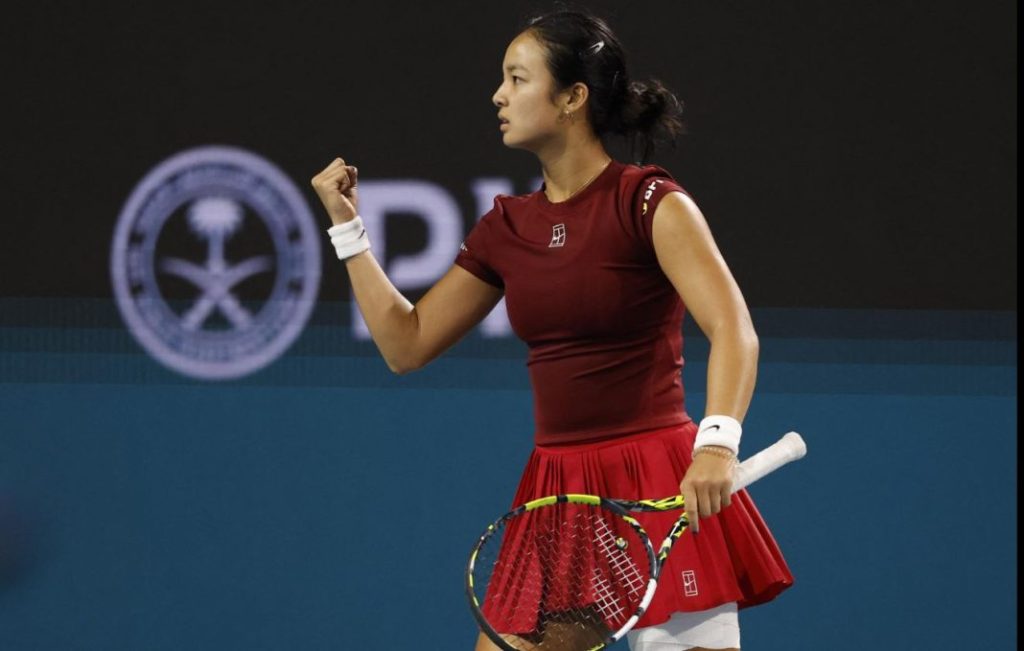
Iconic events such as the BNP Paribas Open in Indian Wells and the Mutua Madrid Open exemplify this tier: large draws, global media coverage, and significant prize money make them milestones in the season. Winners of these events often see significant boosts in both ranking and confidence. Curiously, it was in a WTA 1000 event—last year’s Miami Open—where Eala first burst into global tennis consciousness as she made it all the way to the semis while defeating multiple former Grand Slam champions.
How the Tiers Fit Together
Taken together, these categories form a clear ladder. WTA 125 events are designed to develop talent and provide match opportunities, while 250 events help players transition up the rankings. Moving up, 500 tournaments test consistency against stronger fields, while 1000 events represent the highest level of regular-season competition outside the Grand Slams. Because ranking points double, roughly, at each tier, strong performances at higher levels can dramatically accelerate a player’s rise.
Understanding these tiers gives fans a framework to follow not just the sport’s biggest stars, but also the journeys of players working their way up the professional ladder.