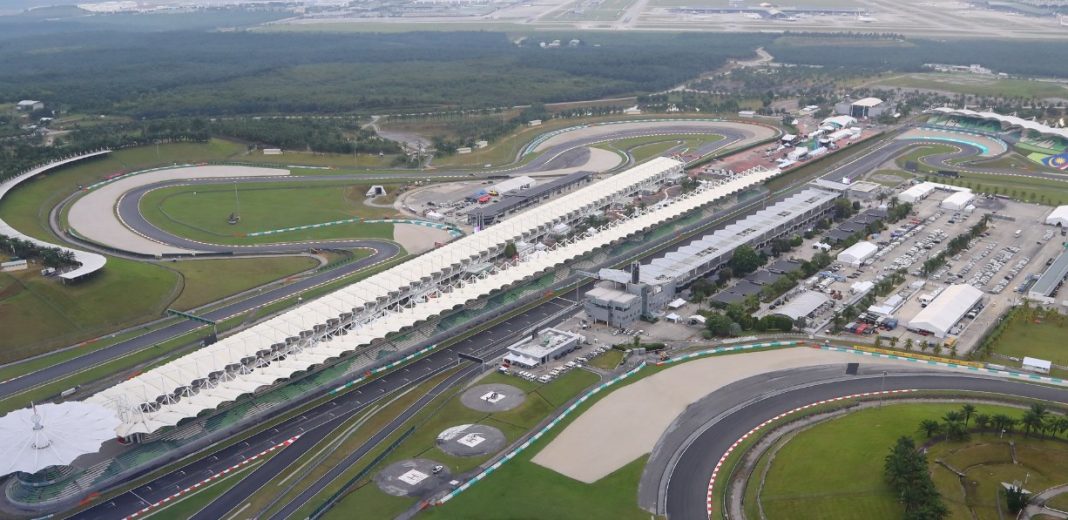

Formula One will make a surprise return to Malaysia this autumn, with Sepang International Circuit confirmed as the venue for a rescheduled Bahrain Grand Prix. The race, set for October 4, will carry the official title of the Gulf Air Bahrain Grand Prix in Malaysia—a unique arrangement born out of necessity and cooperation between Bahrain, Malaysia, the FIA, and Formula One itself
Sepang last staged a Formula One race in 2017, but it has remained a fixture in MotoGP. For many fans, its comeback is welcome news. Formula One chief executive Stefano Domenicali described the agreement as “fantastic news,” noting that Sepang holds a special place in the sport’s history and will provide a spectacular backdrop for racing.
The decision follows the cancellation of April’s races in Bahrain and Saudi Arabia due to the Iran war and instability in the Middle East. Slotting between the Azerbaijan Grand Prix on September 26 and Singapore on October 11, Sepang ensures the calendar remains at 23 races.
Unusual Naming, Familiar Precedent
While the idea of Malaysia hosting a Bahrain Grand Prix may sound odd, Formula One has seen similar arrangements before. Germany’s Nürburgring once staged a Luxembourg Grand Prix, Imola hosted the San Marino Grand Prix for years, and the Swiss Grand Prix was held in France.
Behind the scenes, Bahrain remains central to the event. Its sovereign wealth fund, Mumtalakat, owns McLaren, and the grand prix is the kingdom’s biggest annual sporting showcase. Sources suggest Bahrain will cover most of the rescheduling costs, as it usually pays tens of millions in hosting fees.
Lingering Uncertainty
The addition of Sepang stabilizes the calendar for now, but questions remain over the season’s final rounds in Qatar and Abu Dhabi. Imola is reportedly being considered as a replacement finale should those races be scrapped.
For fans, though, the headline is clear: Formula One is back in Malaysia. Sepang’s sweeping corners and long straights promise drama, and its return adds a nostalgic twist to a season already shaped by global challenges.