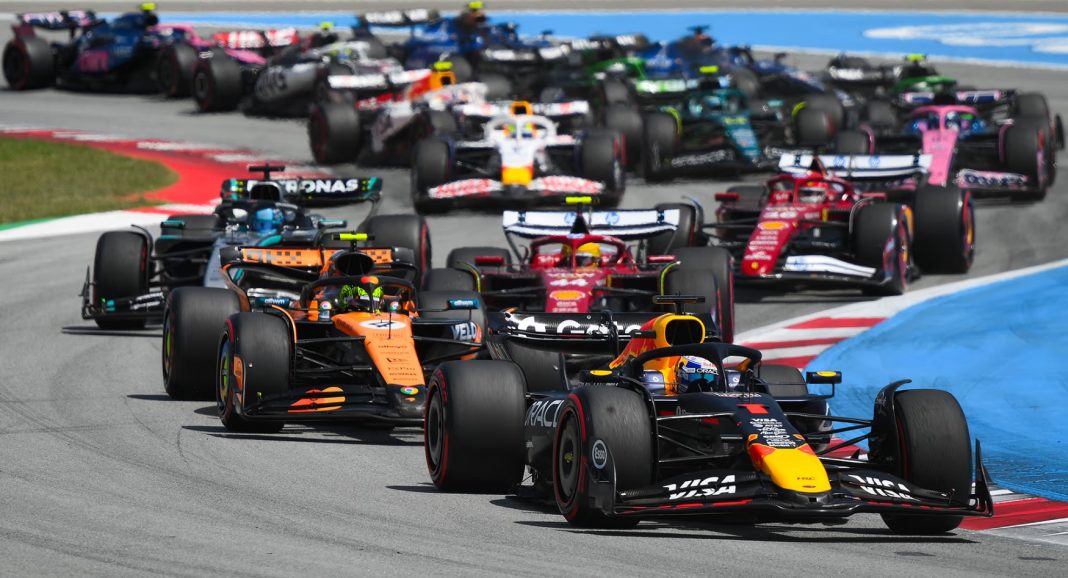

Formula One (F1) has canceled its upcoming races in Bahrain and Saudi Arabia as the war in the Middle East escalates, the sport’s governing body, the FIA, announced on Saturday (Sunday, Manila time).
“It has been confirmed today that, after careful evaluations, due to the ongoing situation in the Middle East region, the Bahrain and Saudi Arabian Grands Prix will not take place in April,” the International Automobile Federation (FIA) said in a statement. “While several alternatives were considered, it was ultimately decided that no substitutions will be made in April. The decision has been taken in full consultation with Formula One Group, local promoters, and our member clubs in the region.”
Bahrain had been scheduled as the fourth Grand Prix of the season, slated on April 10-12, with the Saudi race following a week later. The 2026 season began with the Australian Open won by George Russell. Since then, the Gulf region has been battered by two weeks of Iranian drone and missile attacks after the United States and Israel launched operations against Iran.
Tiny Bahrain, located just across the Gulf from Iran, has endured repeated attacks targeting buildings, a refinery, and its large US military base. Saudi Arabia has also faced multiple strikes, including some aimed at its vital oil infrastructure.
“The FIA will always place the safety and wellbeing of our community and colleagues first,” FIA president Mohammed Ben Sulayem said. “After careful consideration, we have taken this decision with that responsibility firmly in mind. We continue to hope for calm, safety, and a swift return to stability in the region, and my thoughts remain with all those affected by these recent events. Bahrain and Saudi Arabia are incredibly important to the ecosystem of our racing season, and I look forward to returning to both as soon as circumstances allow.”
The Japanese Grand Prix, scheduled for March 27–29, will, however, push through, as will the Miami Grand Prix set for May 1–3. Formula 2, Formula 3, and F1 Academy rounds will also not take place during their scheduled slots in Bahrain and Saudi Arabia. Neighboring Qatar, which has also been targeted, has postponed the first round of the World Endurance Championship, originally set for March 26–28, until October.
Implications of the F1 Cancellations
The cancellation of Bahrain and Saudi Arabia’s Grands Prix marks a significant disruption to the F1 calendar, forcing the sport to adjust its early-season momentum. Beyond the logistical challenges, the moves underscore the heightened risks for teams, drivers, and staff operating in conflict zones.
For Bahrain and Saudi Arabia, the cancellations also mean lost economic and promotional opportunities, as both countries have invested heavily to host premier motorsport events. Fans and sponsors alike are affected, and the FIA must now consider how future races in politically unstable regions may be handled.
While F1 aims to maintain its schedule with the Japanese and Miami Grands Prix, the absence of two Middle East races leaves a noticeable gap in the early-season rhythm, putting added pressure on teams to perform in fewer events. Safety remains the overriding concern, but the cancellations serve as a stark reminder of how global conflicts can ripple into the sporting world.