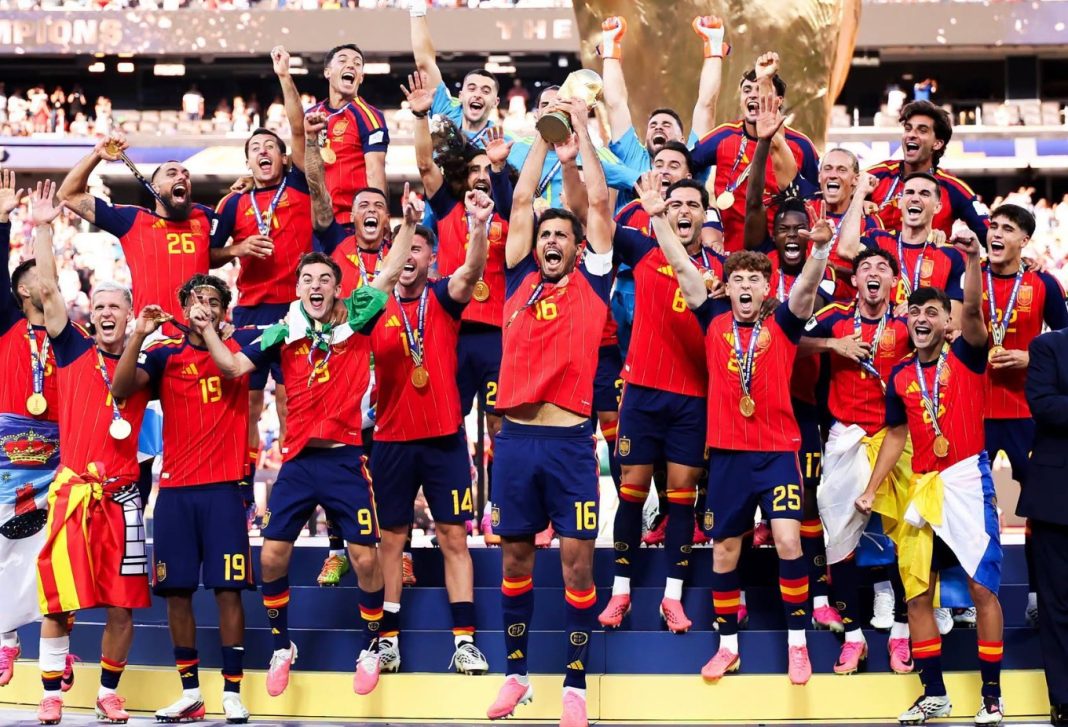

The final whistle at MetLife Stadium in East Rutherford, New Jersey brought the curtain down on 104 games, 6 weeks, 3 countries, and the most expansive FIFA World Cup in the tournament’s history. What it delivered—upsets, comebacks, iconic goals, political storms, and a Golden Boot race for the ages—exceeded almost every expectation that came with a controversial format expansion.
Spain are world champions. Argentina’s dream of back-to-back titles is over. And the 2026 FIFA World Cup will be talked about for a very long time.
The NEW FIFA World Cup Format Delivered
The expanded 48-team field for the 2026 FIFA World Cup drew widescale doubt before a ball was kicked. Concerns about lopsided group stage matches, inflated rosters, and meaningless dead rubbers were legitimate. The tournament answered most of them.
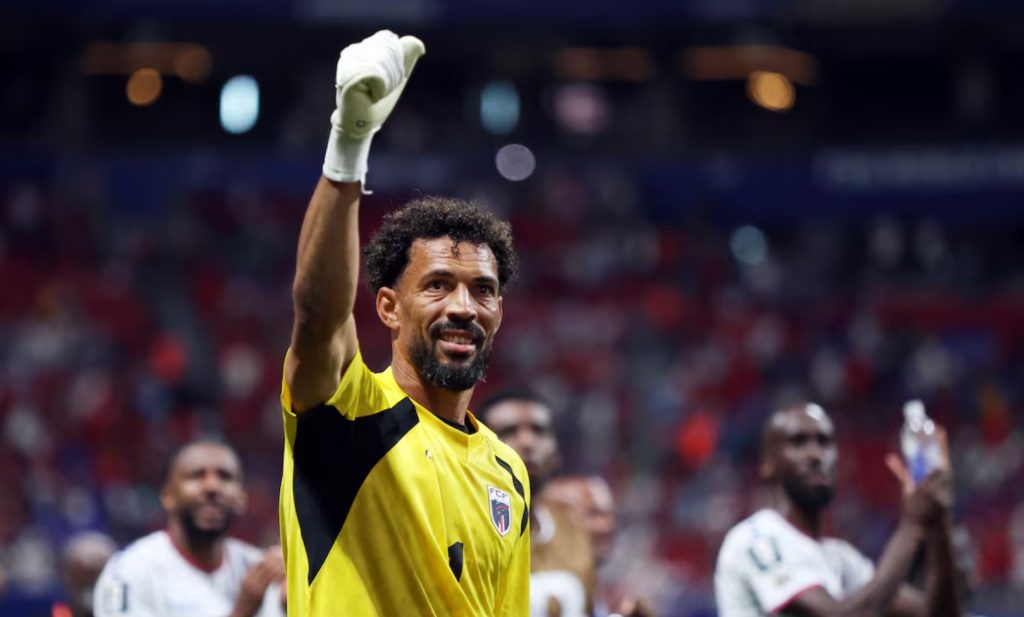
Cape Verde held Spain to a draw in the opening group stage, advanced to the round of 32, and then gave Argentina—the defending champions—a genuine scare before losing 3-2 in extra time in one of the tournament’s best matches. Cape Verde goalkeeper Vozinha, 40 years old, became one of the breakout stars of the entire competition and gained millions of social media followers during the tournament. Congo advanced from the group stage and pushed England before losing. Curaçao was still alive heading into their final group game.
The underdogs delivered their moments. But in the end, it was the world’s four best teams—Argentina, Spain, France, and England, all former champions, all in the top four of the FIFA rankings—who reached the semifinals. The format let in more stories. The elite still prevailed.
The Stars Showed Up
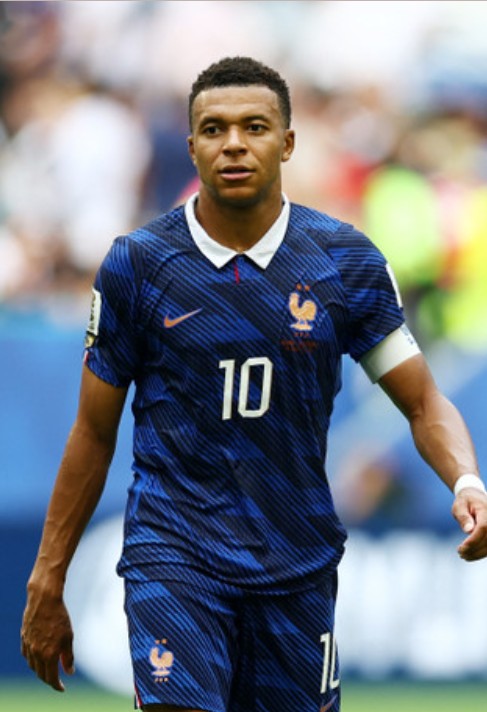
The Golden Boot race in the 2026 FIFA World Cupwas a who’s who of the sport’s most lethal finishers, all peaking simultaneously.
Kylian Mbappe finished as the tournament’s top scorer with 10 goals, extending his career FIFA World Cup total to a record 22. He was electric throughout, and France’s failure to reach the final despite his brilliance says more about Spain’s tactical superiority in the semifinals than it does about Mbappe’s individual impact.
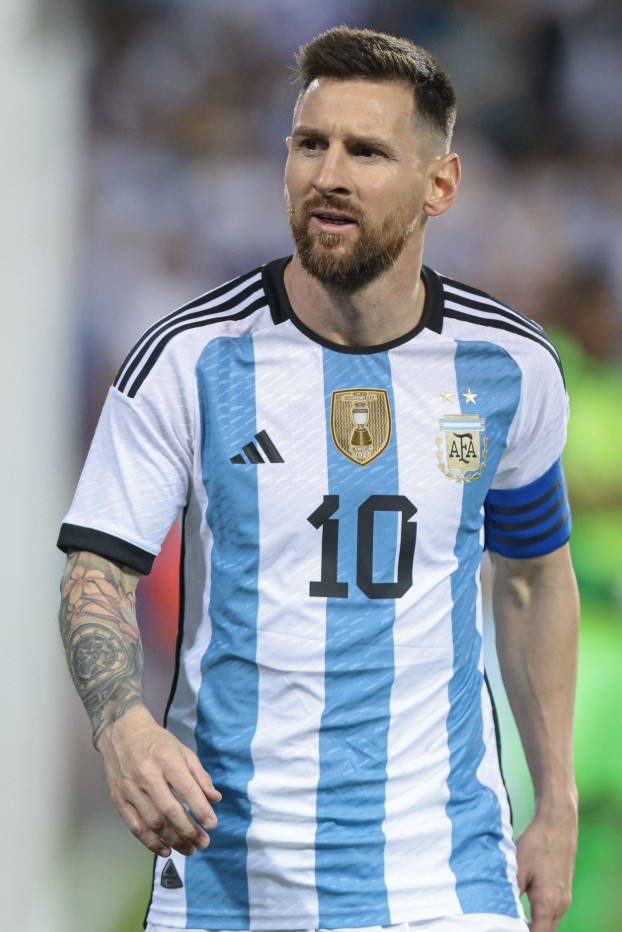
Lionel Messi, at 39 years old, produced what may have been the most emotionally charged World Cup performance of his career. He entered the tournament with 13 career World Cup goals and ended it with 21, recording a goal or assist in 11 consecutive knockout stage matches dating to 2022. His assists in Argentina’s come-from-behind semifinal victory over England were a masterclass in vision and precision. The final, and the dream of back-to-back titles, ended in heartbreak.
Erling Haaland scored seven goals for Norway in a tournament run that ended against England in the quarterfinals—a campaign that included the stunning elimination of Brazil and announced that Norwegian football has genuinely arrived on the world stage. Harry Kane and Jude Bellingham each scored six, with Bellingham’s two brace performances against Mexico and Norway among the tournament’s defining individual moments.
Cristiano Ronaldo’s FIFA World Cup farewell was painful. A late substitute who could not lift Portugal in a narrow defeat to Spain, the 2026 tournament did not give him the ending he wanted.
The Controversies
No FIFA World Cup is complete without its share of off-field noise, and this one had plenty.
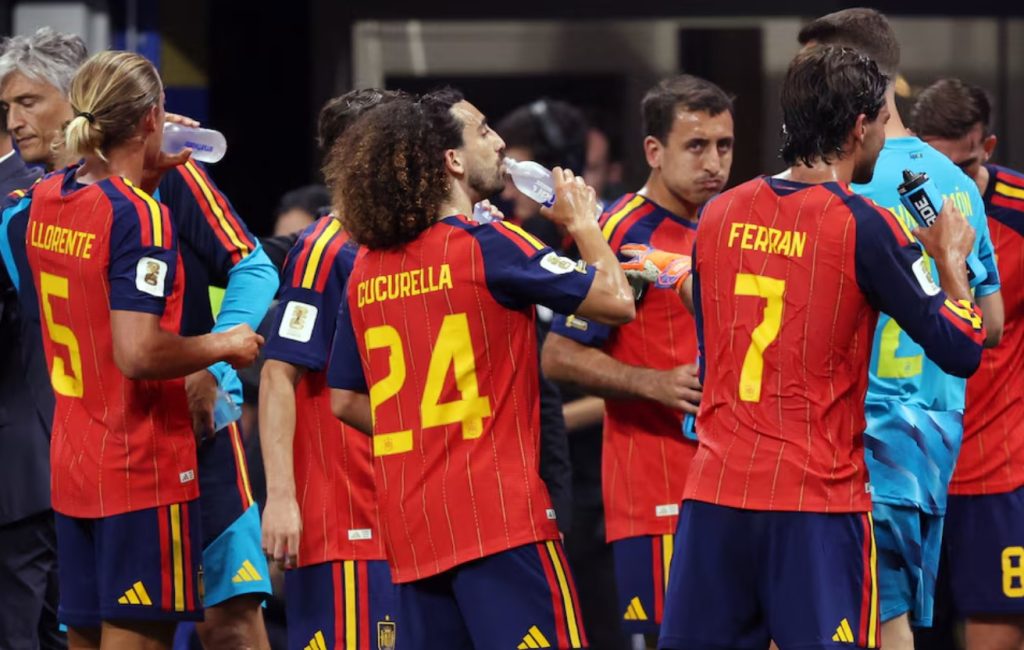
The hydration breaks—introduced by FIFA to help players cope with the summer heat across US venues—prompted loud jeering inside stadiums and withering criticism from former players. Roy Keane called them American-style timeouts. Coaches used them for tactical instructions. Broadcasters used them for commercial breaks. Whether FIFA carries them into future tournaments remains to be seen, though England’s Football Association has already signalled they are unlikely to feature at the 2028 European Championship.
Iran’s participation generated the tournament’s most significant political tensions. The war in the Middle East raised doubts about whether they would appear at all. They did, relocating their base camp from Arizona to Mexico after visa issues prevented several members of the delegation from entering the United States. The Iranians faced travel restrictions requiring them to leave the US immediately after each match. When Iran was eliminated at the group stage, US Homeland Security Secretary Markwayne Mullin’s response was blunt: “I’m just glad they’re done and they’re not coming back.”
The Balogun affair cast a different kind of shadow. US striker Folarin Balogun received a red card against Bosnia-Herzegovina in the round of 32, and the automatic one-match suspension that should have followed was suspended by FIFA ahead of the US’s round of 16 clash with Belgium—following reports that President Donald Trump had personally contacted FIFA president Gianni Infantino to request a review. Belgium were furious. Norway coach Stale Solbakken called it a bad decision for the sport. The US lost to Belgium 4-1 anyway, making the entire controversy moot in the most deflating way possible.
The Takeaway
One hundred and four games. Six weeks. Three host nations. The biggest FIFA World Cup ever played left behind Cape Verde’s Vozinha going viral at 40, Messi’s tears in Atlanta, Bellingham doing what Maradona did at the Azteca, Haaland sinking Brazil, Morocco eliminating the Netherlands on penalties, and a final between the champions of Europe and South America that the sport had never seen before.
It was not a perfect tournament. Nothing this ambitious ever is. But it delivered—on the field, where it matters most.
Spain are champions. The world watched every second of it.